
Two Simple Words “Thank You”

By: Sirena Bridges MSPH, MSN, FNP-BC, CCDS, FHRS
After being a cardiology nurse practitioner for over 15 years, I’ve realized that everything
about nursing can’t truly be understood until you live it. In nursing school, you’re taught
about compassion, fatigue, and burnout. However, nothing can prepare you for those days when you’ve given everything you have; and then some; yet it still feels like it’s not enough. We’ve all had those days, and if you haven’t yet, you will.
In nursing, every shift can feel like a test. You’re juggling clinical skills, trying to remember protocols, and doing your best to care for several patients who are scared, in pain, or frustrated. You’re learning to manage your time, emotions, and the unexpected, all while trying not to show how overwhelmed you are. And then there are days when it all piles up. Maybe a patient’s outcome didn’t go the way you hoped. Maybe you made a small mistake that keeps lingering in your mind. Maybe a coworker’s tone made you doubt yourself, or a patient’s family member yelled because you were behind. Or maybe you’re just plain exhausted from trying to keep up with the pace of it all. Every nurse has those days, even seasoned ones, when your confidence fades. You know the days where you think about calling in “sick” or may even start to question your career choice.
Then, during that bad day, a patient says two simple words: “Thank you.” And although you’ve heard these two words many times before; they hit differently on this particular day. Sometimes we get so bogged down in charting, giving medications, and managing the chaos that we forget the quiet, meaningful things we do such as; explaining a procedure, holding a patient’s hand for comfort, or taking extra time in clinic to listen to a patient who’s grieving. This is the daily, unseen part of nursing — the part that often goes unnoticed but is never unfelt.
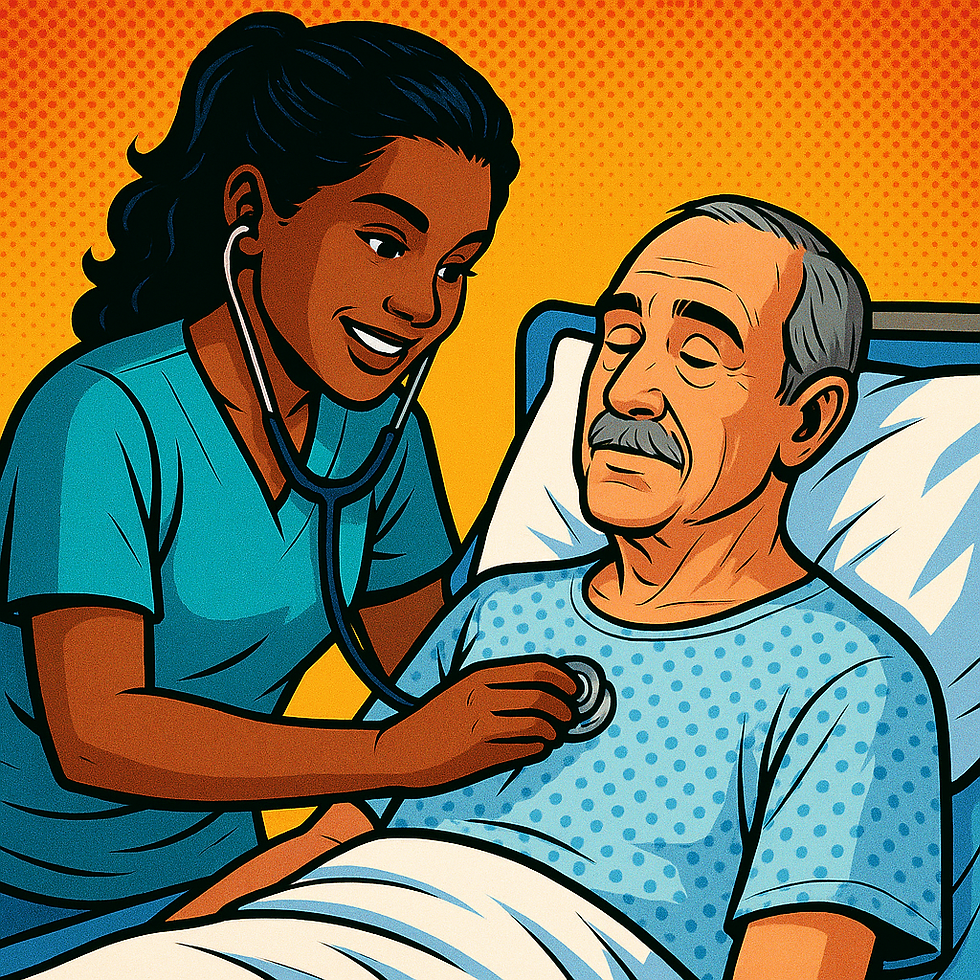
I still remember the first time a patient’s “thank you” truly stayed with me. It was during my first year as a nurse practitioner in a busy cardiac unit. I was so overwhelmed, behind on charting, unsure of my rhythm, and second-guessing everything. My patient, an older man recovering from a VF arrest and newly implanted defibrillator, required constant monitoring. I felt like I was barely keeping up. When I finally made it to his room, I apologized for taking longer than expected to respond to his call light. He looked at me and said, “You’re doing just fine, sweetheart. You’ve taken good care of me today. Thank you. Yep, that was it, nothing grand and no long speech, but boy it was exactly what I needed at that very moment. Those two simple words carried the reassurance and encouragement that I needed that day.
Over the years, I’ve learned that gratitude in healthcare rarely comes wrapped in grand gestures. Many times, it’s a whispered “thanks” as you adjust a pillow, a smile from a family member who’s been up all night, or a simple nod from a patient too weak to speak. These small expressions of appreciation often mean more than we realize.
So, if you’re new to nursing and wondering if you’re making a difference, trust me you are!
Even on days when no one says it out loud, you’re easing pain and calming fears. When the “thank you” comes, let yourself feel it. Don’t brush it off or minimize it. Let it remind you that even when you doubt yourself, someone else sees the heart and compassion behind what you do.
As you grow in your nursing career, you’ll realize that gratitude won't always reach your ears, and it might not show up in a comment card or patient survey. The fact is some patients are too critically ill to say it. Some families are too overwhelmed to find the words. But they feel it every single time you show up with patience, every time you advocate for them, every time you do your job with compassion and dedication.
There will be hard days in nursing which not only will test your knowledge and skill but also your spirit. There will be days when you sit in your car after a shift while parked at work with tears in your eyes. There will be mornings when you wonder if you’re cut out for this work. But there will also be moments of grace and gratitude, where you remember why you chose this profession in the first place. A patient’s “thank you” may not fix everything, but it can remind you of something you should never forget: You make a difference. It can pull you back to the simple truth that your presence matters and that your care has meaning. So, to every nurse, new or seasoned, always remember that the work you do every day changes lives.

Sirena Bridges MSPH, MSN, FNP-BC, CCDS, FHRS is a Nurse Practitioner with over 15 years of specialized experience in electrophysiology cardiology. Throughout her career, she has been dedicated to advancing the care of patients with cardiac rhythm disorders through clinical excellence, education, and program development.
Ms. Bridges is a Fellow of the Heart Rhythm Society (HRS), where she actively contributes as a member of both the Allied Professional Council and the Health Equity Council. In these roles, she advocates for interdisciplinary collaboration, professional growth among allied health members, and initiatives aimed at reducing disparities in electrophysiology cardiovascular care.
She earned her Master of Science in Nursing from Vanderbilt University School of Nursing and also holds a Master of Public Health from Meharry Medical College. Her dual academic background in nursing and public health reflects her commitment not only to the individual patient but also to the broader systems that influence health outcomes.
Ms. Bridges’ professional interests include optimization of cardiac device management, streamlining remote monitoring workflows, and integrating evidence-based practice to improve patient outcomes. She is also passionate about mentoring emerging professionals in electrophysiology and promoting equity and inclusion within the field of electrophysiology cardiovascular medicine.


Comments